
TechCrunch’s newsroom is worried about one thing: April 1. It’s not funny, I’ll admit it. Google Japan’s series of absurd keyboards suggests that they may have discovered the first exception.
The most recent version is the “Gboard Bar Version” (or stick version, depending on how the translation is). It measures 1.6m in length (down from 2.4m in prototype), and all letters are placed in a one-dimensional QWERTY layout. You can choose from ASCII, ABC and katakana codes.
The creators explained that you no longer need to search for and click individual keys. This keyboard makes it very easy to recognize that G is the sixteenth letter on the left.
It has many other advantages, too:
“When using this keyboard, your arms will naturally spread, so you can covertly extend your arms even at work. When you press the far right and far left keys at the same time, you can inadvertently extend your legs,” the team wrote.
You can also use it as a tool to reach remote light switches or as a walking aid when you are in need of touching the grass. You can see more benefits and uses in the video below. It’s worth a laugh.
It was published on September 1st, I believe, because it has 101 keys. This joke is more funnier because it doesn’t occur on the usual day for such things.
However, this isn’t the first Gboard team “new entry proposal”. Since a decade, the posts have continued to be updated. The first was about how Morse code was entered. From there, they got more involved. Although some videos are more successful then others, the original video remains amazing, even though it involves a lot of spoon bending. This is one of my favorite product trips.
Tegaki’s “physical handwriting” keyboard is almost identical to what you would see on a Gboard. It is also a copy of the actual swiping that is used on other Gboards. As a way of controlling a cursor, I think I’ve actually seen something similar to this before.
You will find some truly unique designs and small bits of engineering like this tilted keypad.
Credits: Google Japan
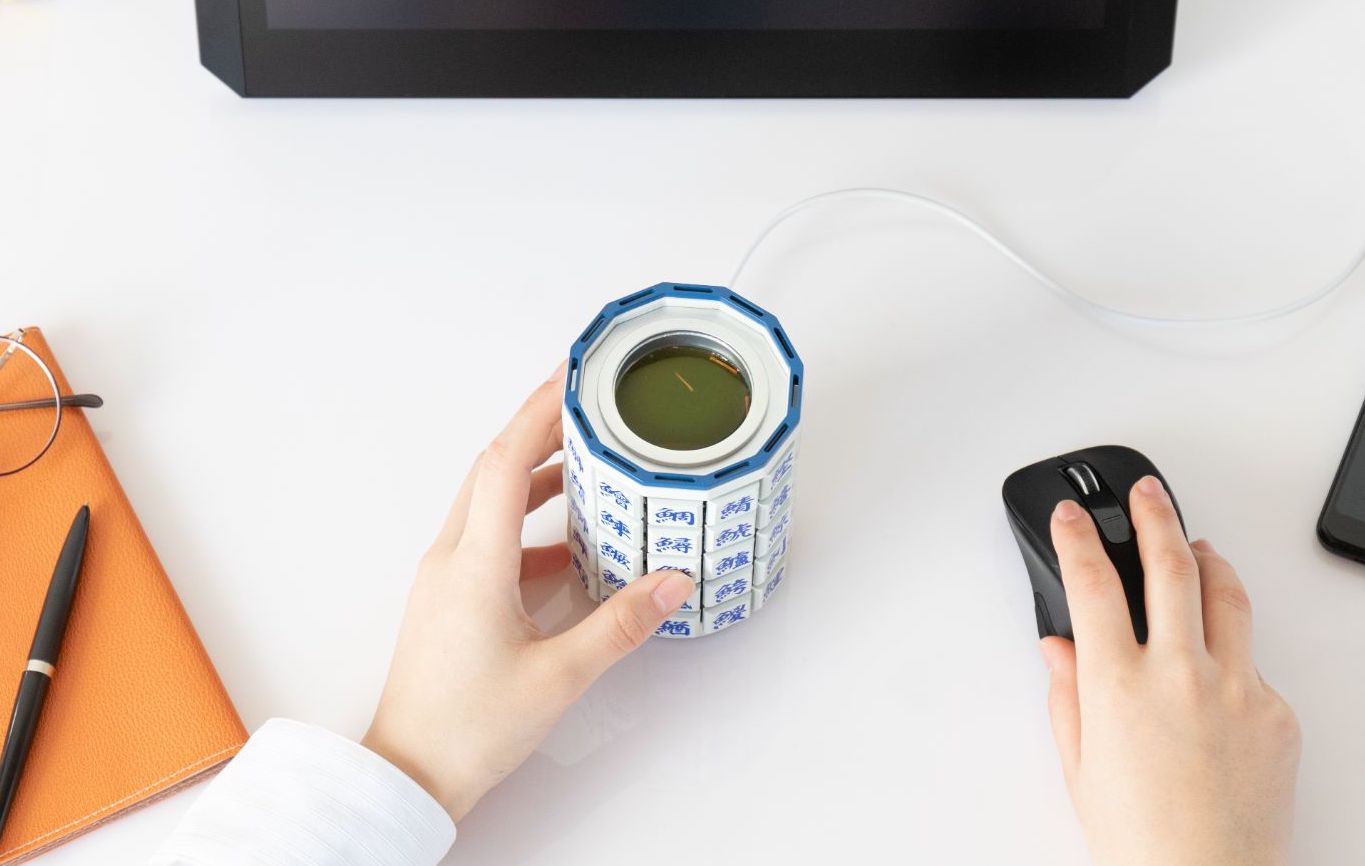
This tea-cup is absurd!
Credits: Google Japan
You might be wondering how it works (Google translation from Japanese). “The kanji are fish that are placed in a syllabary with 50 keys. Instead of [an] Alphabet, it uses the sushi arrangement of horse mackerel, sardine, eel, ei and okoze, and the characters are entered by turning fish into kanji.” Very precise.
The team seems to be enjoying it and you can find the code as well as the schematics here.
Although this is old news for Japanese readers, I haven’t seen any of it here in the States. The year-end of April fools’ day is a great time to recognize the amazing work of a team that appears to be funny and dedicated in equal measures.
Originally published at Brisbane News Station


No comments:
Post a Comment